
Reviewed · COOKING CLASSES
Vientiane Private Lao Cooking Class with Market Tour
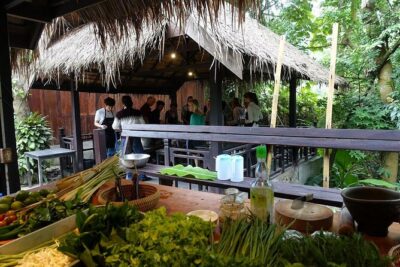
Come hungry, leave with Lao recipes. This six-hour Vientiane experience combines a local market visit, hands-on cooking, and a guided look at the Madam Phasouk cooking house. I like the small maximum of four participants, which should give you useful time with the chef, and I like that the class includes Lao herbs, old cooking equipment, and an introduction to Red tribe, or Son Phao Thai Daeng, culture.
The $70 price is fair if you value instruction and cultural background, not just lunch. The main caution is consistency: one March 2025 participant praised the friendly cook and recipes worth repeating, while another felt the market explanations were weak and the dishes did not taste traditionally Lao. You should also confirm the pickup arrangement and discuss food needs before booking.
In This Review
- Key things to know before you book
- From Vientiane to the cooking house
- Reading the market before cooking
- Herbs, plants, and old Lao equipment
- The cooking lesson and Lao food
- Sticky rice deserves special attention
- Eating what you prepare
- Is $70 a good value?
- Who should book this experience?
- Booking and preparation tips
- Final verdict: a promising class with questions to ask
- FAQ
- Where does the Vientiane cooking class take place?
- How long does the activity last?
- Is transportation included?
- How many people can join?
- Is the class taught in English?
- Are ingredients included?
- What will I learn besides cooking?
- Is a meal included?
- Can children join?
- Is the experience suitable for people with food allergies or wheelchair users?
Key things to know before you book
- The class lasts six hours, including about two hours for the market visit, cooking, and tasting, plus roughly two hours in the van.
- Only four people can join, making this a better fit for personal instruction than a large demonstration class.
- The market visit comes first, so you learn about ingredients before using them in the kitchen.
- Lao plants and old tools are part of the lesson, adding cultural detail beyond a standard recipe class.
- The food quality may vary, with praise for the recipes but one complaint about dishes not seeming traditionally Lao and sticky rice arriving cold.
- The meeting point needs care, since COSI Vientiane Nam Phu is listed for pickup and drop-off, while the booking information also asks for your hotel details.
From Vientiane to the cooking house
The experience begins with pickup planning in Vientiane Prefecture. COSI Vientiane Nam Phu Laos is listed as a pickup and return point, and the booking notes ask you to provide your hotel name and location so the driver can arrange collection and drop-off. At the same time, hotel pickup and drop-off are listed as not included, so I would clarify this before paying.
The van ride is scheduled to take about one hour each way. That is a large part of a six-hour program, but it also means the cooking house is treated as a destination rather than a quick city-center class. Bring water, sunscreen, and a hat. You may spend time outdoors at the market and around the garden setting, so comfortable clothing matters more than dressing up.
The small group limit is one of the best practical features. With no more than four participants, you should have a better chance to see the chef’s techniques, ask questions in English, and take part instead of simply watching from the back of a crowded room.
More Cooking Classes:
- Luang Prabang: Evening Cooking Class & Local Baci Ceremony
★ 4.9 · 151 reviews - Luang Prabang: Bamboo Weaving Workshop & Cooking Class
★ 5.0 · 96 reviews - Luang Prabang: Cooking Class at the Former Royal Palace
★ 4.9 · 51 reviews
Reading the market before cooking
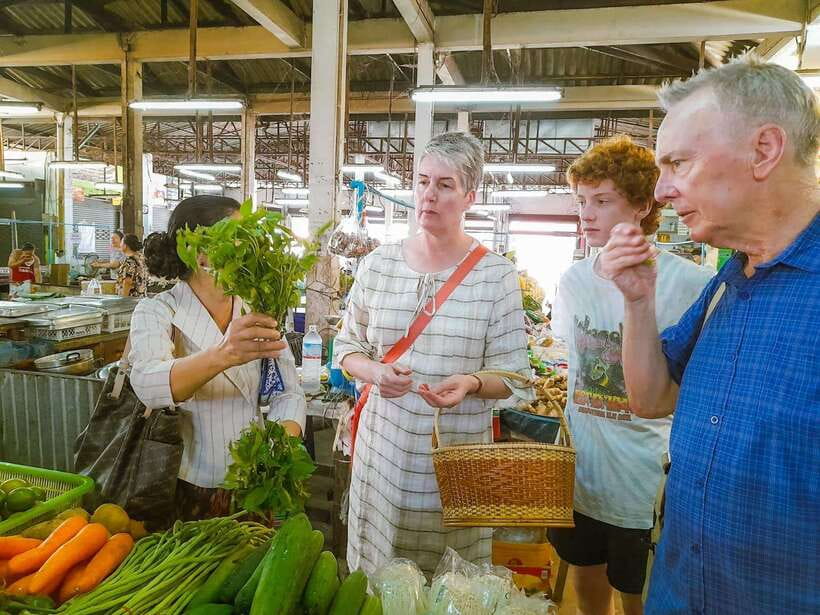
The local market visit is meant to connect the final meal with the ingredients used to make it. You can expect to see produce and herbs before they are prepared, with the guide introducing you to local plants and explaining how they fit into Lao cooking.
That step can be valuable even if you already cook Asian food. Lao food uses its own balance of herbs, vegetables, seasonings, and sticky rice traditions, and a market gives you a clearer sense of the raw materials than a printed recipe does. It also lets you ask what an ingredient is called and how it is normally handled.
Still, keep your expectations sensible. The market portion is scheduled within a two-hour block that also includes the cooking class and tasting. It is not a long food-market walk with a separate guide devoted only to produce. One participant felt too much time went into taking photos and not enough into explaining the ingredients. If the market matters most to you, politely ask questions and request explanations as you move from stall to stall.
You may also want to confirm how much of the market shopping is hands-on. The description says you visit a local market to purchase fresh ingredients, but it does not list the exact dishes or give a detailed shopping plan. That means the market should be viewed as an introduction to Lao ingredients, not a guaranteed specialty-food tour.
Herbs, plants, and old Lao equipment
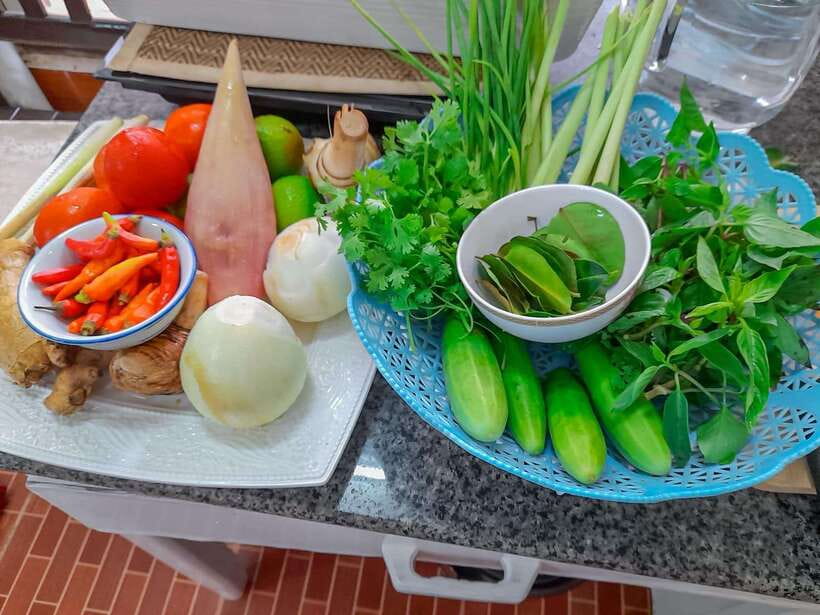
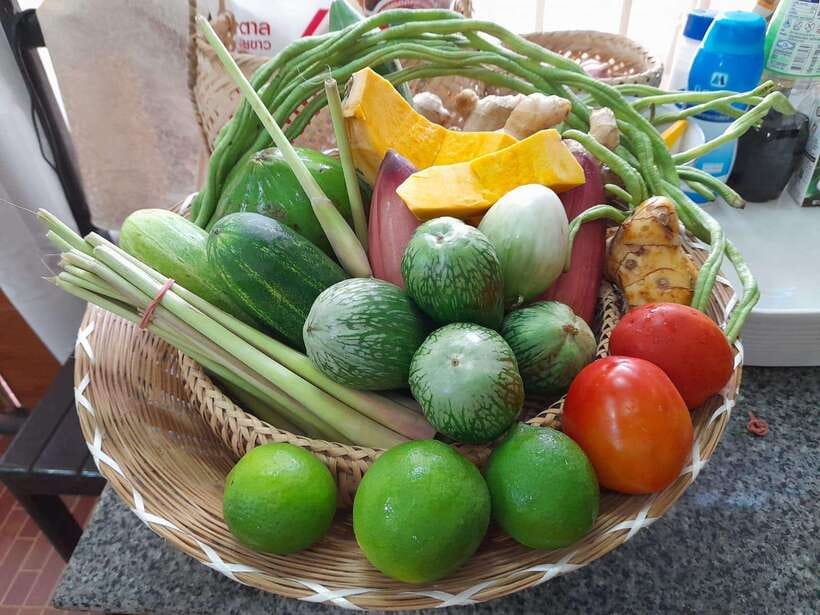
The Madam Phasouk cooking house adds a cultural layer that many basic cooking classes skip. You are introduced to Lao herbs and plants, and you learn about traditional equipment used by earlier generations. This helps explain how cooking worked before modern kitchen tools became common.
The plant section also comes with a clear rule: do not touch the plants. Follow that instruction closely. Bring a camera if you want pictures of the garden and your finished food, but ask before photographing people or handling anything used for the lesson.
The introduction to Red tribe, or Son Phao Thai Daeng, culture is another unusual part of the program. The available information does not say how long this section lasts or exactly what objects and stories are included, so I would treat it as a short cultural introduction rather than a full anthropology lesson.
That balance is important. You are paying for a cooking experience with cultural context, not a museum visit or a formal history course. The old tools and plants are most useful when the chef connects them directly to the dishes you prepare.
The cooking lesson and Lao food
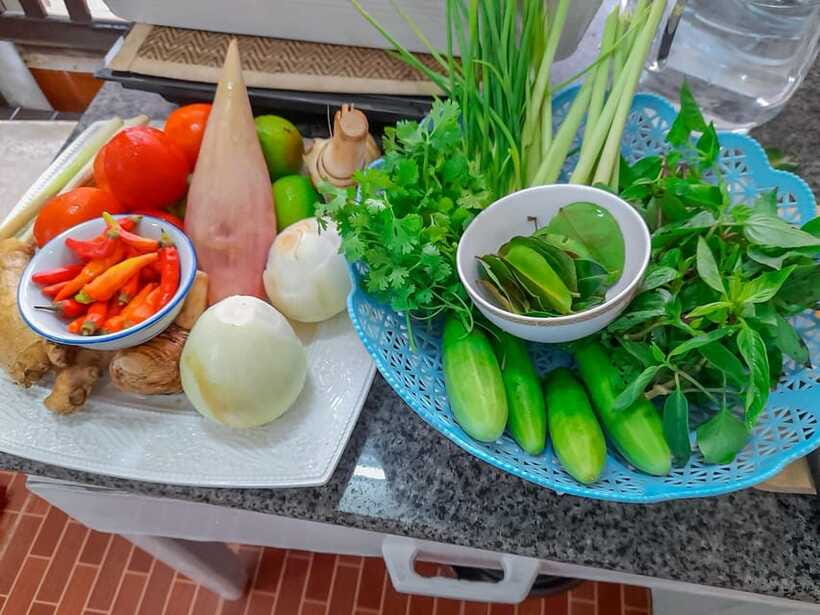
The central activity is a hands-on class with a chef. You learn how to prepare traditional Lao dishes, use fresh ingredients, and follow techniques explained in English. The chef is also expected to explain the cultural meaning behind the food, which can turn a simple recipe into a more useful lesson.
You do not need advanced cooking skills. The class is designed for beginners as well as experienced home cooks, and the small group should make it easier to ask for help. If you already cook often, focus on the ingredients, seasoning methods, and equipment rather than expecting a technically difficult master class.
The dishes are not specified in the supplied information. That is a gap worth noting. If you have a particular Lao favorite in mind, ask in advance if it will be prepared. Do not assume that a dish you know from another Lao restaurant will be on the menu.
Food authenticity is the biggest question mark. One March 2025 participant, who identified as Lao, felt the prepared dishes were not truly Laotian. That is a serious concern for anyone booking specifically to learn traditional food. On the other hand, another participant praised the cook and said the recipes were tasty and worth making again at home.
I would handle this in a practical way. Ask what dishes are planned, how traditional the recipes are, and if substitutions are possible. During the class, ask why each ingredient is used and how the dish would normally be served in Laos. Those questions can help you get more from the lesson and make the final meal easier to judge.
More tours and river days worth a look
- Private Tour Full-day Morning Market, Villages and Scenic Kuang Si Waterfall
★ 4.5 · 22 reviews - Traditional Market Tour and Private Laotian Cooking Class with a Local
★ 5.0 · 13 reviews - Luang Prabang Local Market and Morning Food Tour with Drinks
★ 5.0 · 6 reviews - Luang Prabang Early Morning Alms Giving and Wet Market
★ 4.5 · 5 reviews
Sticky rice deserves special attention
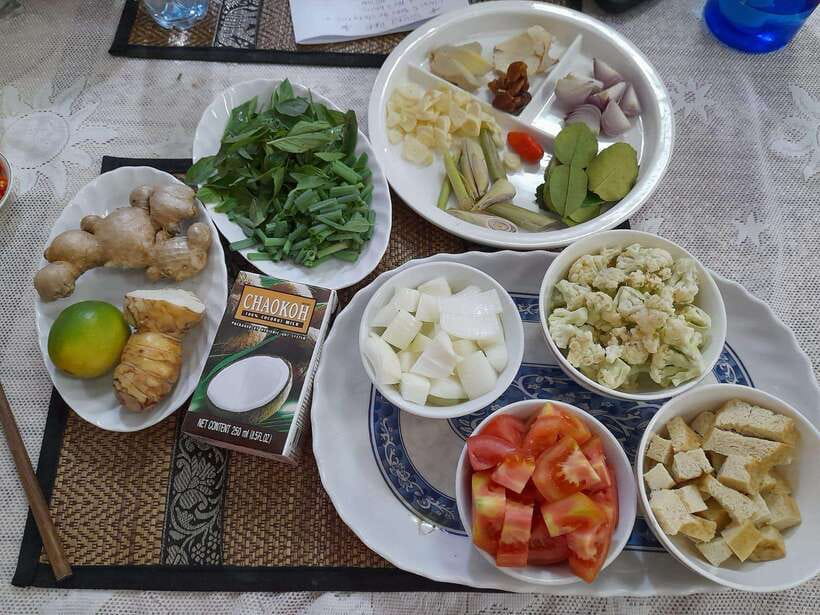
Sticky rice is central to Lao meals, so its condition can affect your view of the entire class. One participant specifically complained about receiving cold sticky rice with hard pieces and suggested steaming fresh rice for the meal.
This is not a minor point if you are booking for an authentic Lao food experience. Freshly steamed sticky rice has a different texture from rice that has cooled and hardened. I would ask how the rice will be prepared and served before the class begins.
You can also ask if the class includes instruction in handling sticky rice, not just a serving alongside the cooked dishes. The supplied details do not confirm that this is taught, so do not assume it is part of the lesson.
Eating what you prepare
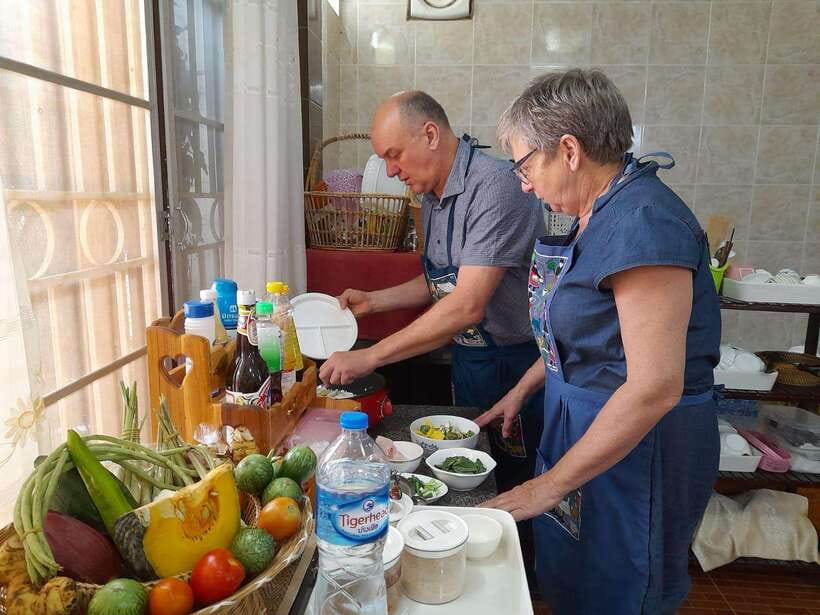
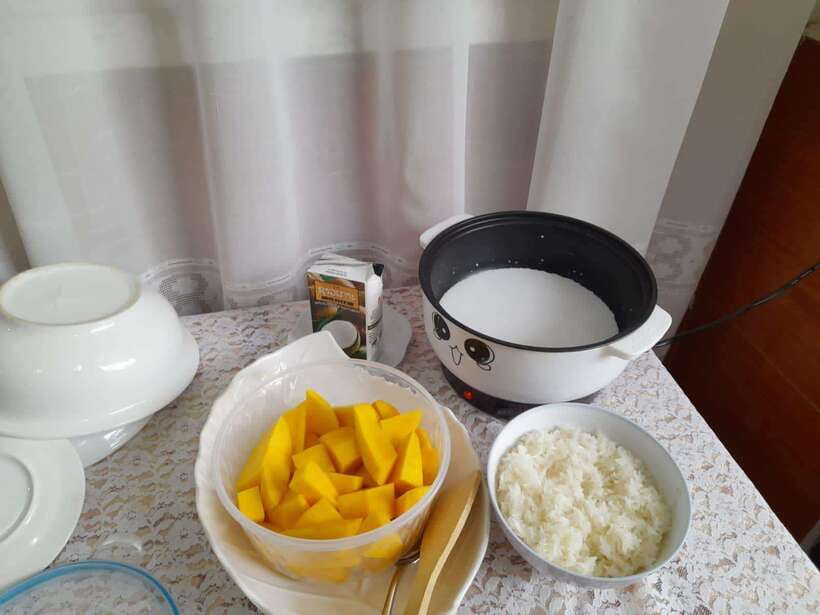
At the end, you eat the dishes you have made and receive authentic Lao beverages. That shared meal is the reward for the market visit and kitchen work, and it lets you judge the recipes immediately while the techniques are still fresh.
The meal is included only where it is part of the stated itinerary. Extra food, drinks, and personal purchases are not covered. The activity also says to bring ingredients, which conflicts slightly with the separate note that ingredients for the cooking class are included. I would ask the operator what this means before arrival. You may need to bring something specific, or it may simply be a general packing note.
The food concern remains worth keeping in mind. One person found the dishes tasty and suitable for cooking again. Another found the food and sticky rice disappointing. That mixed result suggests you should book for the teaching, market, and cultural setting rather than expecting a guaranteed restaurant-quality meal.
Is $70 a good value?
At $70 per person, this is not the cheapest way to eat lunch in Vientiane. It can still be good value if you want a private-feeling class, market access, ingredient instruction, cultural information, transport by van, and a meal you help prepare.
The four-person limit gives the price more weight. In a large class, you might spend much of the time watching someone else chop and stir. Here, the group size should make the chef’s guidance more available, though the actual quality depends on how actively the instructor teaches.
The long van transfer also affects value. About two hours of the six-hour schedule are assigned to transportation, leaving roughly four hours for the market, cooking house, lesson, and meal. If you want a short city activity, this is not the efficient choice. If you are happy to spend most of a day on one food experience, the slower format may suit you.
The value rises for curious home cooks who want to learn what Lao ingredients look like before they reach the plate. It falls for people who mainly want a polished meal, a detailed market tour, or guaranteed regional authenticity.
Who should book this experience?
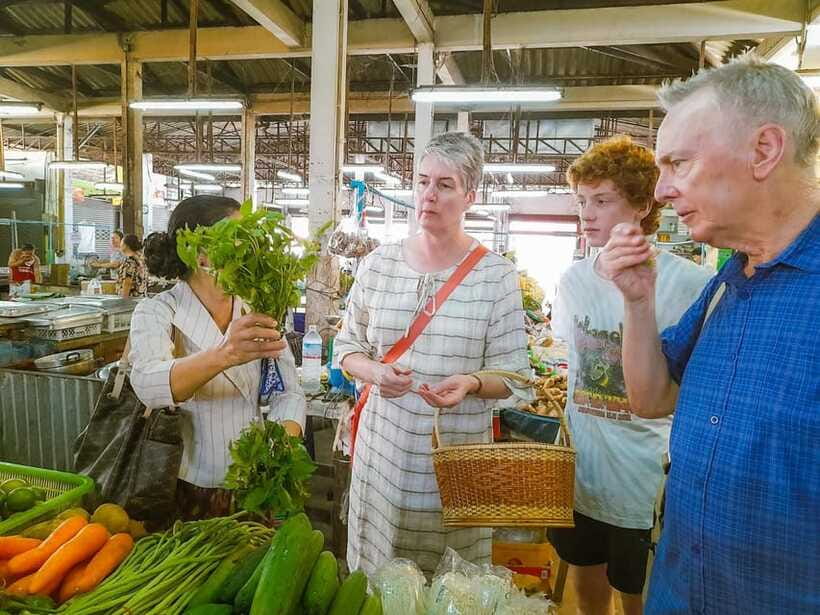
I would recommend it most strongly to adults and older teenagers who enjoy cooking and want more than a restaurant meal. The minimum age is 12, so families with younger children need another plan. The experience is conducted in English, making it suitable for English-speaking participants who want to ask questions during the lesson.
It also fits people who like small groups and personal contact with a local chef. The introduction to herbs, plants, ancestral equipment, and Son Phao Thai Daeng culture gives the class more range than a recipe demonstration alone.
People with food allergies should not book, since the activity is specifically listed as unsuitable for them. Wheelchair users are also advised against booking. Smoking, alcohol, and drugs are not allowed, and the outdoor setting means you should arrive prepared for sun and heat.
I would be more cautious if your main goal is a strictly traditional Lao menu. The positive feedback about the cook and repeatable recipes is encouraging, but the concern about authenticity is specific and important. Ask questions before committing.
Booking and preparation tips
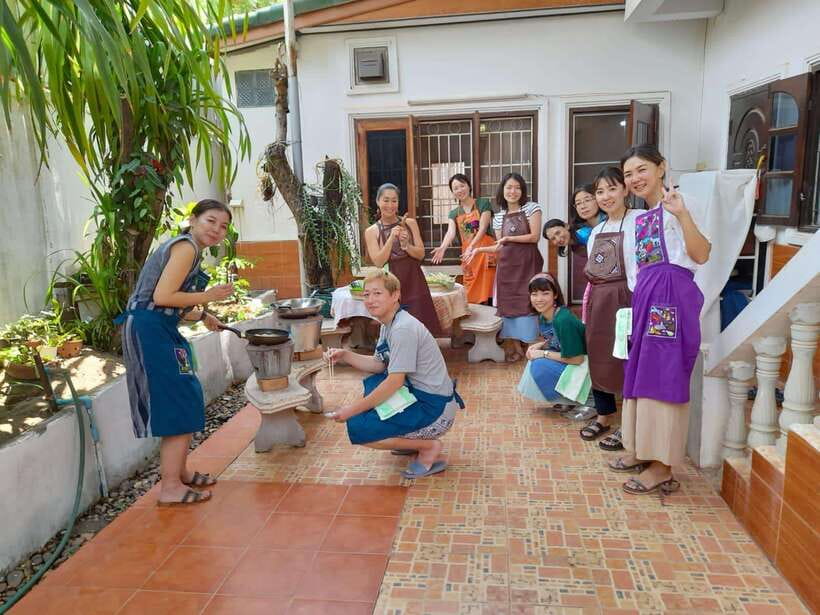
The activity allows free cancellation up to 24 hours before the start for a full refund, and you can reserve now and pay later. Starting times depend on availability, so check the date carefully rather than assuming a fixed departure.
Before booking, confirm these points:
- Where exactly will pickup take place?
- Is hotel collection included, or must you reach COSI Vientiane Nam Phu?
- What dishes will you prepare?
- Will fresh sticky rice be steamed for the meal?
- What ingredients, if any, must you bring?
- Can the chef adjust the menu for preferences, noting that food allergies are not accepted?
Wear clothes suitable for outdoor activity. Pack a hat, sunscreen, water, and a camera. Arrive on time, since the van transfer is part of a tightly scheduled six-hour day.
Final verdict: a promising class with questions to ask
You should book the Vientiane Private Lao Cooking Class with Market Tour if you want a small-group food lesson that includes a local market, Lao herbs, traditional tools, and cultural background. The four-person limit, English-speaking guide, and chance to eat what you prepare make it more personal than a standard cooking demonstration.
I would not book it without clarifying the pickup details, planned dishes, ingredient note, and sticky rice. The cook and recipes have earned warm praise, but the concerns about market guidance and food authenticity deserve attention. Go for the full cultural experience and hands-on lesson, not simply a guaranteed perfect Lao lunch.
FAQ
Where does the Vientiane cooking class take place?
The experience is based in Vientiane Prefecture at the Madam Phasouk cooking house and includes a visit to a local market.
How long does the activity last?
The full experience lasts six hours. The schedule includes about one hour by van each way and two hours for the market visit, cooking class, and food tasting.
Is transportation included?
A van transfer is included in the schedule, but hotel pickup and drop-off are listed as not included. COSI Vientiane Nam Phu Laos is provided as a pickup and drop-off location. Confirm the exact arrangement when booking.
How many people can join?
The group is limited to four participants.
Is the class taught in English?
Yes. The experience includes an English-speaking guide and a live English-speaking tour guide.
Are ingredients included?
Ingredients for the cooking class are listed as included. A separate preparation note says to bring ingredients, so you should ask the operator what, if anything, you need to supply.
What will I learn besides cooking?
You will be introduced to Lao herbs and plants, learn about traditional equipment used by ancestors, and receive insight into Son Phao Thai Daeng, also called Red tribe, culture.
Is a meal included?
Food tasting is part of the activity, and you eat the dishes prepared during the class. Meals not mentioned in the itinerary and personal expenses are not included.
Can children join?
Children under 12 are not permitted. Participants must be at least 12 years old.
Is the experience suitable for people with food allergies or wheelchair users?
No. The activity is listed as unsuitable for people with food allergies and wheelchair users.
More Workshops
- Day-time Bamboo weaving & Cooking Classes join-in
★ 5.0 · 38 reviews - Luang Prabang: Hmong Batik Art Workshop
★ 5.0 · 27 reviews - Evening Bamboo weaving & Cooking classes join-in
★ 5.0 · 17 reviews - Tribal Cooking Class in Luang Prabang Forest and visit
★ 5.0 · 15 reviews
Just added around Vientiane
- Vientiane: Lao Cultural Attire Rental Experience★ 5.0 · 3 reviews
- Vientiane Day Trip By Bike To Tad Moon Waterfall★ 4.5 · 3 reviews
- Vientiane: Half-Day City Tour – Morning or Afternoon★ 4.0 · 3 reviews
- Vientiane: Art, Culture, & Inspiration Guided Day Tour★ 5.0 · 3 reviews
- Vientiane Private Walking Tour With A Guide (Private Tour)★ 4.5 · 3 reviews
- Private Tour Vientiane – VangVieng by Express Train★ 5.0 · 4 reviews
- Half Day Exploring the Charms of Vientiane and hotel pickup★ 4.9 · 4 reviews
- Half-Day Vientiane City Bike Tour | Laos★ 5.0 · 5 reviews
Cooking Classes, compared.
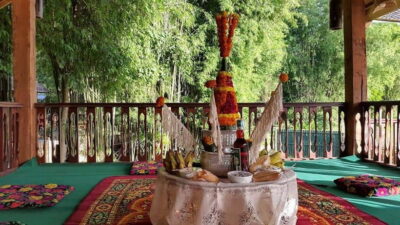
Luang Prabang: Evening Cooking Class & Local Baci Ceremony
Read our review →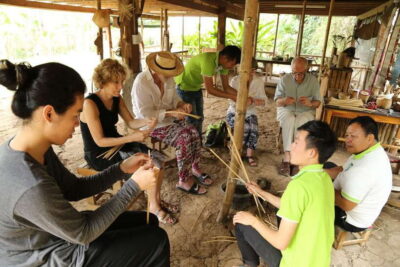
Luang Prabang: Bamboo Weaving Workshop & Cooking Class
Read our review →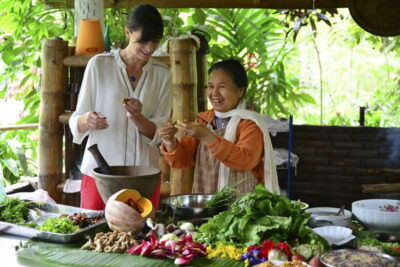
Luang Prabang: Cooking Class at the Former Royal Palace
Read our review →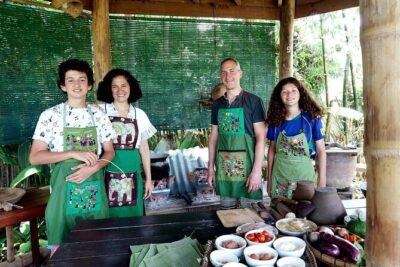
Day-time Bamboo weaving & Cooking Classes join-in
Read our review →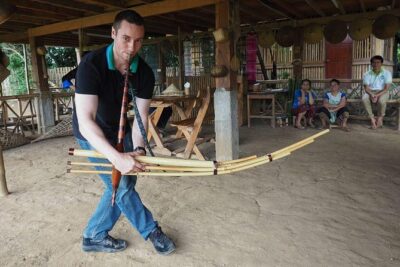
Evening Bamboo weaving & Cooking classes join-in
Read our review →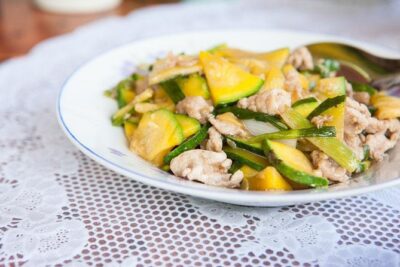
Traditional Market Tour and Private Laotian Cooking Class with a Local
Read our review →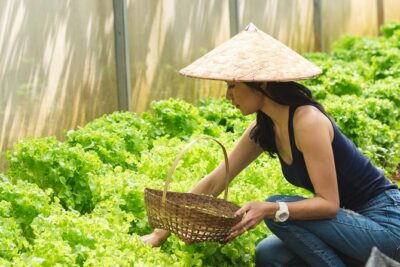
Browse the lists this tour appears in