
Reviewed · FOOD & DRINK
Luang Prabang Local Market and Morning Food Tour with Drinks
Start with breakfast that tells a story. This two-hour morning outing takes you from a local tuk tuk ride to Luang Prabang’s Phosi Market, where you can taste everyday Lao dishes rather than settle for another hotel buffet. I like the food focus, especially the chance to try Khao Poun rice noodles and sticky-rice desserts while learning how each dish fits into Lao culture. I also like the small maximum group of 10, which should make market stops easier and more personal.
The tour’s second strength is its guide-led explanation of local ingredients, cooking, and history. Guides such as Anou and Khamla have been praised for making the food and place easier to understand. The main drawback is its early 7:00 am start and short two-hour schedule. You will see one major market and several breakfast foods, but this is a focused introduction, not a full food crawl across town.
In This Review
- Four Things to Know Before You Go
- Why a 7:00 am Food Tour Makes Sense
- Arriving in Luang Prabang’s Food World
- Phosi Market: The Practical Heart of the Tour
- Four Lao Dishes to Look For
- Naem Khao
- Khao Poun
- Pun Mang
- Kao Sung Ka Ya
- What the Tuk Tuk and Walking Format Add
- How Much Value Do You Get for $39?
- Who Will Enjoy This Morning Best?
- Practical Advice for a Better Visit
- Should You Book the Luang Prabang Morning Food Tour?
- FAQ
- What time does the tour start?
- How long does the experience last?
- Where does the tour take place?
- Is transportation provided?
- What food can I expect to try?
- How large is the group?
- Is the tour suitable for most people?
- Can I cancel for a full refund?
Four Things to Know Before You Go
- Breakfast starts with local staples: Try Naem Khao, Khao Poun, Pun Mang, and Kao Sung Ka Ya instead of familiar Western breakfast food.
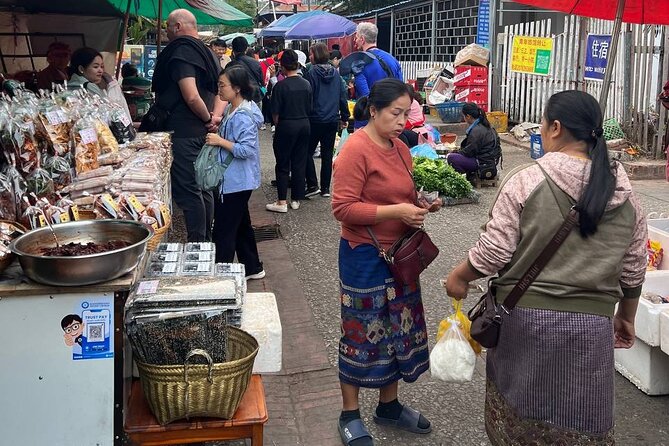
- Phosi Market is the main event: Luang Prabang’s largest market sells fresh food, cooked dishes, household goods, clothing, and more.
- A tuk tuk handles the pickup: Transport is provided at the start, followed by walking through the market.
- The tour begins at 7:00 am: Early hours are part of the appeal, but late risers may find the timing tough.
- The group is capped at 10 people: That is a useful size for asking questions and moving through market aisles.
- Cancellation is flexible until 24 hours before: You can receive a full refund if you cancel at least one day before the start time.
Why a 7:00 am Food Tour Makes Sense
Luang Prabang is at its most useful for food exploration in the morning. Breakfast is not just a quick meal here. It is a window into what people eat before work, how rice appears in different forms, and how fresh herbs, meat, coconut, peanuts, and sauces combine in Lao cooking.
The early start also gets you out before the heat of the day becomes a problem. The schedule begins at 7:00 am, so you should plan to be ready well before then. Pickup is offered, and the local tuk tuk provides the transport for the opening part of the experience.
The timing is not ideal for every schedule. If you want a slow hotel breakfast or a late morning at your guesthouse, this tour asks you to change your routine. I think that trade is worthwhile for anyone who wants food as part of the cultural experience, but you should book it only if you are comfortable being out early.
The experience lasts about two hours. That is enough time for a guided introduction, several tastings, and a market walk. It is not enough time to examine every part of Phosi Market or build a full day around food. Think of it as a compact morning lesson with breakfast attached.
More Food Tours in Luang Prabang:
- Luang Prabang Evening Food Tour by Tuk-Tuk
★ 4.5 · 68 reviews - Luang Prabang: Mekong Meals Food Tour with 15+ Tastings
★ 4.9 · 58 reviews - Mekong Meals Food Tour with 15+ Tastings
★ 5.0 · 37 reviews
Arriving in Luang Prabang’s Food World
The setting is Luang Prabang, the historic capital of the province in northern Laos. The town sits where the Nam Khan and Mekong rivers meet and served as Laos’s royal capital until 1975. Its Buddhist temples include Wat Xieng Thong, known for its 16th-century gilded decoration, and Wat Mai, once associated with the head of Lao Buddhism.
You may not spend the entire tour visiting temples, but this background matters. Food in Luang Prabang is part of a place shaped by royal, Buddhist, river, and village traditions. A guide can connect what you see in a bowl or wrapped leaf to the wider culture in a way that is difficult to get from eating alone.
That explanation is one of the strongest reasons to choose this outing. Several guide names appear in the feedback, including Anou and Khamla, and both were praised for explaining Lao culture, local history, and food. The value is not only in sampling breakfast. It is in understanding why these dishes are served, what ingredients appear repeatedly, and how the market functions for local people.
Phosi Market: The Practical Heart of the Tour
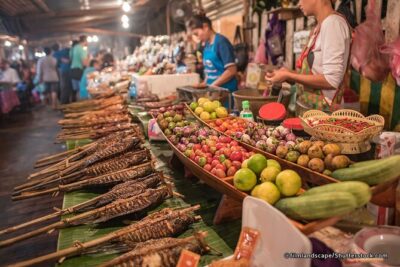
Phosi Market is described as Luang Prabang’s biggest market and a major source of daily goods for the town. It includes indoor and outdoor areas, giving you more than a tidy row of prepared food stalls.
You can expect to see cooked meals alongside vegetables, live animals, clothing, furniture, cookware, bedding, and other household items. That range makes the stop more useful than a market designed only for sightseeing. You get a glimpse of how people shop for ordinary life, not just what looks appealing in a photograph.
The guide introduces you to market traders and points out colorful food displays. You can take photographs, but remember that this is a working market. Ask before photographing people, especially vendors and anyone handling food. A friendly approach will make the experience better for everyone.
The market may also feel less polished than a restaurant or tourist food hall. That is part of its value, but it can also be a consideration if you prefer controlled settings. The supplied details do not specify seating, restroom access, or exact stall locations, so you should think of this as an active walking market visit rather than a restaurant meal with fixed service.
Four Lao Dishes to Look For
The tasting menu gives the tour a clear shape. The dishes listed are not generic Southeast Asian samples. They show several ways Lao cooks use rice, meat, herbs, vegetables, coconut, and sweet sauces.
A different idea for your next Laos day:
- Luang Prabang: Cruise to Pak Ou Caves & Kuang Si Waterfalls
★ 5.0 · 1,769 reviews - Luang Prabang: Cruise to Pak Ou Caves & Kuang Si Waterfalls
★ 4.8 · 1,360 reviews - Half Day Mekong Cruise to Pak Ou Caves (Morning / Afternoon)
★ 4.6 · 290 reviews - Luang Prabang: UNESCO World Heritage City Highlights Tour
★ 4.6 · 201 reviews
Naem Khao
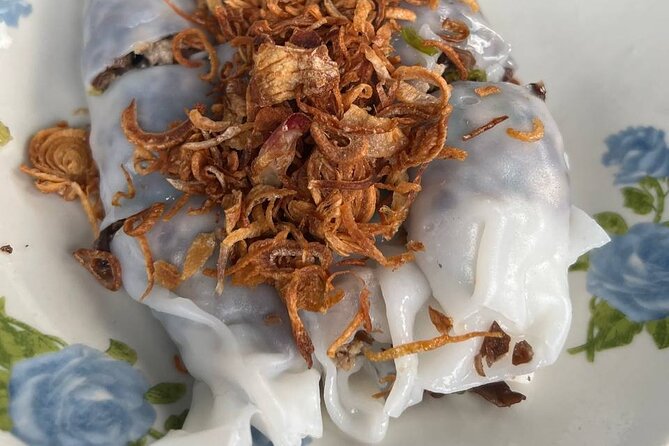
Naem Khao is described here as a special steamed rice cake with egg, served with sour sauce and something sweet. The mix of soft rice, egg, and contrasting flavors gives you a quick lesson in the way Lao food can move between sour, sweet, and savory notes.
This is a good dish to approach with an open mind. The description does not give exact ingredients beyond rice and egg, and market versions can vary. Ask your guide what you are tasting and how the sauce is normally used.
Khao Poun
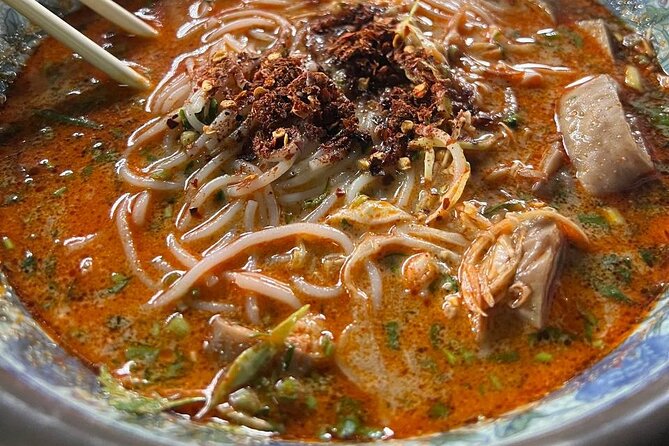
Khao Poun is an authentic rice noodle dish with pork and fresh herbs. This may be the most familiar format for anyone who has eaten noodle soups elsewhere in Southeast Asia, but the herbs and local preparation give it a Lao character.
I would pay attention to the balance rather than simply the heat. One person described Lao food as spicy but manageable for someone who enjoys spicy dishes. If you are sensitive to chili, ask the guide about the dish before tasting and take small bites first.
Pun Mang
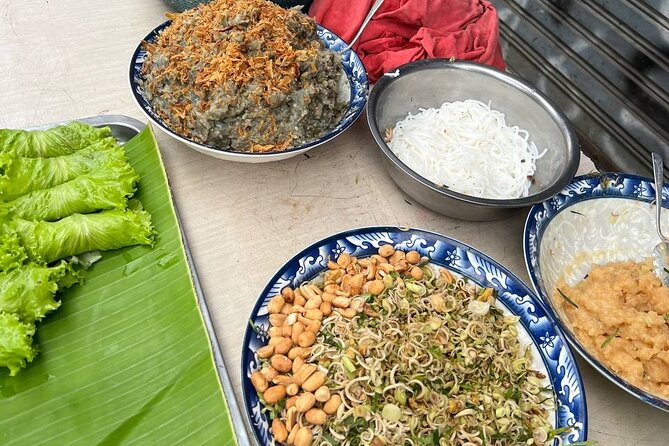
Pun Mang combines pork, lemongrass, peanuts, and eggplant, rolled in fresh lettuce. It is a particularly useful dish for seeing how several textures work together: soft meat, fragrant lemongrass, nutty peanuts, eggplant, and crisp lettuce.
The lettuce wrap also makes this a social, hands-on food. It is less formal than eating from a plate with a knife and fork. You can ask how the ingredients are meant to be combined, rather than treating each part as a separate sample.
Kao Sung Ka Ya
Kao Sung Ka Ya is a steamed sticky-rice dessert with shaved coconut. It provides a sweet finish and shows that sticky rice is not limited to savory meals.
The coconut adds a clear contrast to the dense rice. If you usually finish breakfast with pastries or fruit, this is a chance to try a dessert with a different texture and preparation. The tour description calls the final market walk a chance to select sweets and desserts, so the food experience appears to continue beyond the four named items.
What the Tuk Tuk and Walking Format Add
Pickup by local tuk tuk keeps the first part simple and gives the outing a distinctly Luang Prabang feel. The details provided do not specify the exact pickup radius or whether pickup is from every hotel, so confirm that point when booking.
After the transport, the experience finishes with a walking tour of the market. That change is useful. The tuk tuk moves you to the market area, while walking lets you slow down, look at food displays, and speak with traders through the guide.
Two hours can pass quickly in a market. I would avoid planning another fixed activity immediately afterward, particularly if you want time for photographs or questions. The tour is small enough to feel manageable, with a maximum of 10 people, but market aisles can still be busy and movement may not always be quick.
The mobile ticket is practical. You can keep the booking on your phone rather than carrying printed paperwork. Confirmation is received at booking, which makes the arrangements clear before the morning begins.
How Much Value Do You Get for $39?
At $39 per person, this is not the cheapest way to buy breakfast in Luang Prabang. You can find inexpensive food on your own, and one piece of feedback referred to a meal costing less than 50,000 kip, about €2.48 at the exchange rate used in that comment.
The comparison is not quite fair, though. You are paying for more than food. The price also covers a guide, cultural and historical explanation, market introductions, local transport by tuk tuk, and the convenience of having several dishes selected for you.
The value is strongest if you are new to Lao cuisine or unsure where to start. You can walk into a market alone, point at a bowl, and eat well. What you may miss is the background: the names of dishes, how ingredients fit together, and which foods are common in the morning.
The value is weaker if you already know Lao food, speak with market vendors independently, or mainly want the lowest possible meal cost. In that case, the tour may feel like an expensive way to sample items you could order yourself.
Drinks are included in the experience title, but the supplied details do not state what drinks are served or how many are included. If that matters to your budget or dietary plans, ask for the exact inclusions before paying.
Who Will Enjoy This Morning Best?
I would recommend this tour to you if you want a short, organized introduction to Luang Prabang food. It suits people who enjoy asking questions, trying unfamiliar dishes, and seeing where local food is sold rather than eating only in restaurants.
It also fits a first morning in town. The guide can help you identify dishes and flavors you may want to seek out later. The market visit may give you the confidence to return on your own, perhaps to buy a snack, inspect ingredients, or compare another version of a dish.
The experience should also suit people interested in local history. The strongest praise has been directed at the guides’ explanations of Lao culture, cuisine, and the history of the area. That makes the tour more than a sequence of tastings.
You may want to skip it if you dislike early starts, market environments, spicy food, or foods whose ingredients are not familiar. The tour is not presented as a private experience, and the group can include up to 10 people. It is small, but not one-on-one.
People with food restrictions should ask about ingredients before booking or tasting. The listed dishes include pork, egg, peanuts, eggplant, coconut, rice, noodles, and fresh herbs. The information provided does not explain substitutions or allergy procedures.
Practical Advice for a Better Visit
Wear comfortable clothes for walking and keep your morning flexible. The experience includes transport and a market walk, so you should not treat it like a sit-down restaurant reservation.
Bring a phone or camera if you want to photograph the market displays. Use courtesy around traders and ask before taking close-up photographs of people. Your guide can help with introductions and explain what you are seeing.
If you are unsure about spice, ask before trying Khao Poun or any sauce. One food description includes sour and sweet elements, while the general feedback points to spice as part of the Lao food experience. Trying small portions first is sensible.
Do not eat a large breakfast beforehand. The purpose of the outing is to replace a standard hotel meal with several local samples. Arriving hungry enough to taste, but not so hungry that you rush, is the best approach.
Finally, keep the cancellation rule in mind. You can cancel for a full refund up to 24 hours before the start time. Cancellations or changes made within 24 hours are not refunded or accepted, based on local time.
Should You Book the Luang Prabang Morning Food Tour?
Book it if you want context with your breakfast. The mix of tuk tuk transport, Phosi Market, four named Lao foods, sweets, drinks, and guide-led history offers a useful first look at local cuisine in only two hours.
I especially like the small group limit and the chance to meet market traders through the guide. The early start and $39 price are the main things to weigh. If you want the cheapest breakfast, eat independently. If you want help understanding what you are eating and why it matters, this experience earns its cost.
FAQ
What time does the tour start?
The tour starts at 7:00 am.
How long does the experience last?
It lasts approximately two hours.
Where does the tour take place?
The experience takes place in Luang Prabang, Laos, with a main visit to Phosi Market.
Is transportation provided?
Yes. Pickup is offered, and local tuk tuk transport is provided at the beginning of the experience.
What food can I expect to try?
The named dishes are Naem Khao, Khao Poun, Pun Mang, and Kao Sung Ka Ya. The tour also includes a walking visit to select sweets and desserts at the market.
How large is the group?
The maximum group size is 10 people.
Is the tour suitable for most people?
The supplied information says most people can participate.
Can I cancel for a full refund?
Yes. You can cancel at least 24 hours before the start time for a full refund. Cancellations or changes made less than 24 hours before the experience are not accepted, and the amount paid is not refunded.
More Markets
- Private Tour Full-day Morning Market, Villages and Scenic Kuang Si Waterfall
★ 4.5 · 22 reviews - Traditional Market Tour and Private Laotian Cooking Class with a Local
★ 5.0 · 13 reviews - Luang Prabang Early Morning Alms Giving and Wet Market
★ 4.5 · 5 reviews - Vientiane Private Lao Cooking Class with Market Tour
★ 4.0 · 3 reviews
Just added around Luang Prabang
- Private Luang Prabang City Tour★ 5.0 · 3 reviews
- A Relaxing Day at the Kuang Si Falls★ 4.5 · 3 reviews
- Luang Prabang Night-time Explorer★ 3.5 · 3 reviews
- Luangprabang: Dinner with Lao Traditional Dance Performance★ 4.0 · 3 reviews
- Sunset Cruise in Luang Prabang with Live Performance★ 4.5 · 3 reviews
- Luang Prabang Private Full-Day Tour and Lunch★ 4.7 · 3 reviews
- Luang Prabang: Local Village & Kuang Si Falls Private Tour★ 4.9 · 3 reviews
- Luang Prabang: Mekong River Cooking Class with Hotel Pickup★ 5.0 · 3 reviews
Food & Drink, compared.
Luang Prabang: Mekong Meals Food Tour with 15+ Tastings
Read our review →
Luang Prabang: Mekong Sunset Cruise & Lao Tasting Dinner
Read our review →
Luang Prabang Street Food Culture, Paper Handicraft Village Tour
Read our review →
Browse the lists this tour appears in