
Reviewed · COOKING CLASSES
Laos Cooking Class in Luang Prabang
Food tells the story best. This four-hour Luang Prabang cooking class takes you from the local market to an open-air kitchen, where you learn to make several Lao dishes under the guidance of local chefs. I especially like the market visit and the chance to pick ingredients, along with the included meal that lets you eat what you prepare. The one concern is that the class may be cancelled if too few people book, so check your plans before relying on it as a fixed highlight.
I also like the small maximum group of 12 people. That keeps the class more personal than a large demonstration, and Chef Sit has earned praise for making the recipes clear and manageable. The $58 price is reasonable if you value the market outing, ingredients, meal, instruction, and recipe book, though it may feel high if you mainly want a quick cooking demonstration.
In This Review
- Key points at a glance
- Starting at Tamarind on Kingkitsarath Road
- Phosy Market puts Lao ingredients in context
- A rural open kitchen changes the mood
- Cooking Lao dishes from sauce to dessert
- Eating what you prepare
- Is $58 a fair price?
- What the four-hour schedule feels like
- The cancellation issue deserves attention
- Who should book this Luang Prabang class?
- Should you book it?
- FAQ
- Where does the Laos cooking class begin?
- What time does the class start?
- How long does the cooking class last?
- Does the class include a market visit?
- What dishes will I learn to cook?
- Is a meal included?
- Will I receive the recipes?
- Can I cancel for a refund?
Key points at a glance
- Morning market visit: The 8:30 a.m. option includes a visit to Phosy Market, where you learn about Lao produce and may select ingredients.
- Five or more Lao dishes: The class covers dipping sauces, Mok Pa, lemongrass stuffed with chicken and herbs, Laap, dessert, and other dishes.
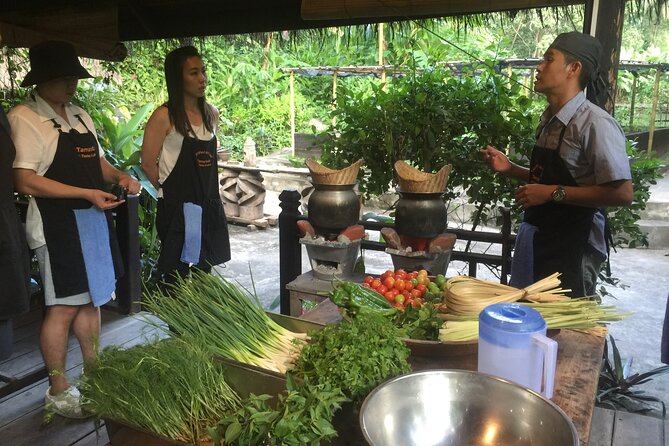
- Chef Sit’s practical teaching: He demonstrates the recipes, then guides you as you prepare your own food.
- Open-air cooking setting: The class takes place in a picturesque rural setting with an open kitchen.
- Meal and recipe book included: You eat the food you prepare and take the recipes home.
- Small-group format: The class accepts no more than 12 people, but it may not run if there are too few bookings.
Starting at Tamarind on Kingkitsarath Road
You meet at Tamarind, at V4VR+VMF on Kingkitsarath Road, at 8:30 a.m. The activity finishes back at this same meeting point. Since the day begins early, I would plan to arrive with enough time to find Tamarind without rushing through the old town.
The morning start is useful for more than simple scheduling. It lets you visit the local market while the food trade is underway, then continue to the cooking session with the ingredients still fresh. If you prefer a slower start, confirm the exact departure details when booking, since the supplied schedule lists 8:30 a.m. as the start time.
The class lasts about four hours. That gives you enough time for market orientation, ingredient preparation, cooking, and a proper meal, but it still leaves most of the afternoon free for Luang Prabang’s temples, museums, or riverside streets.
More Cooking Classes in Luang Prabang:
- Luang Prabang: Evening Cooking Class & Local Baci Ceremony
★ 4.9 · 151 reviews - Luang Prabang: Bamboo Weaving Workshop & Cooking Class
★ 5.0 · 96 reviews - Luang Prabang: Cooking Class at the Former Royal Palace
★ 4.9 · 51 reviews
Phosy Market puts Lao ingredients in context
The market visit is one of the strongest parts of the experience. Instead of beginning with a recipe sheet in a restaurant, you first see the ingredients in the setting where local people buy and use them.
Your instructor explains Lao ingredients, herbs, and produce as you move through the market. Some foods may look unfamiliar, especially if you are used to European or North American grocery stores. That is part of the value. Lao food depends on fresh herbs, strong seasonings, dipping sauces, and combinations that can be hard to understand from a restaurant menu alone.
You may also select ingredients for the dishes you will cook. This small choice gives the class a personal touch and helps you connect the market visit with the meal later in the day.
The market can feel chaotic if you are accustomed to neatly arranged supermarkets. That is not a flaw, but you should expect a busy food market rather than a polished culinary display. Chef Sit’s role is important here. He helps explain what you are seeing, so you are not left guessing at every unfamiliar item.
The market portion is available with the morning tour described here. If the ingredients are the main reason you are booking, make sure your reservation reflects that morning schedule.
A rural open kitchen changes the mood
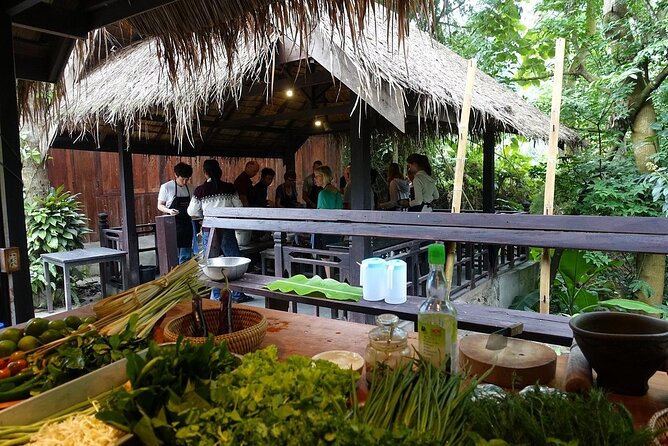
After the market, you return to the restaurant area and continue to the cooking setting. The class takes place in a picturesque rural location with an open kitchen, a detail that adds much more atmosphere than a standard indoor cooking studio.
The setting matters because Lao food is closely tied to fresh produce, shared meals, and straightforward preparation. An open kitchen lets you watch the process clearly and keeps the class feeling practical rather than theatrical.
The kitchen is described as authentic and well equipped. That means you can focus on chopping, mixing, stuffing, seasoning, and cooking instead of watching a chef work at a distance.
You should still keep your expectations realistic. This is a group class, not a private lesson. With up to 12 people, you may not handle every part of every dish yourself. The format involves the chef showing the preparation first, then participants cooking individual dishes with guidance.
That arrangement suits beginners. You get a clear model before attempting the recipe, and you can ask for help as you work. More experienced home cooks may prefer greater independence, but the range of dishes keeps the session worthwhile.
Cooking Lao dishes from sauce to dessert
The menu gives you a solid introduction to Lao cooking rather than focusing on one famous dish. You learn to prepare spicy dipping sauces, Mok Pa, lemongrass stuffed with chicken and herbs, Laap, and more.
Mok Pa is a particularly useful dish to encounter in a class because the name alone tells you little about the preparation. Seeing how the ingredients are combined and cooked gives you a better sense of Lao technique than simply ordering it at a restaurant.
Laap is another key part of the lesson. It is one of Laos’s best-known dishes, and preparing it yourself helps you understand the balance of herbs, seasoning, and texture. The exact ingredients can vary, which is another reason the market and instructor explanations add value.
The class also includes dessert. One account of the session describes preparing one dip, one dessert, and three other dishes, enough for a complete meal. The supplied menu uses and more, so the exact dishes may vary by class or available ingredients.
You do not simply watch Chef Sit cook. He demonstrates the steps, then you prepare your assigned food with his help. This approach works well for mixed groups. Beginners can follow along, while experienced cooks can pay closer attention to seasoning and technique.
One useful feature is the recipe book. You receive the recipes to take home, so the class does not end when the meal is finished. If you can find the required ingredients later, you have a practical way to repeat the dishes in your own kitchen.
More tours and river days worth a look
- Day-time Bamboo weaving & Cooking Classes join-in
★ 5.0 · 38 reviews - Luang Prabang: Hmong Batik Art Workshop
★ 5.0 · 27 reviews - Evening Bamboo weaving & Cooking classes join-in
★ 5.0 · 17 reviews - Tribal Cooking Class in Luang Prabang Forest and visit
★ 5.0 · 15 reviews
Eating what you prepare
The included meal is more than a convenient lunch. It gives you a chance to judge the dishes immediately and understand how the separate recipes work together.
You sample the food you have prepared, including the sauces and other dishes made during the session. That shared meal is the payoff for the chopping and preparation, and it makes the class feel like a complete cultural activity rather than a cooking lesson followed by a quick snack.
I would not expect restaurant-style perfection from your first attempt. That is not the point. The food may vary depending on how much cooking experience each person brings, and one account notes that some people in the group had little kitchen experience. The chef’s support helps keep the meal on track.
The format also makes this suitable for families and mixed-age groups, since the activity is advertised as appropriate for all ages and skill levels. Children and beginners may need more direct assistance, while confident cooks can take greater ownership of their assigned dish.
Is $58 a fair price?
At $58 per person, this class costs more than a simple meal in Luang Prabang. The price makes better sense when you count what is included: the cooking lesson, ingredients, market experience, meal, local instruction, and recipe book.
You are paying for about four hours of structured activity, not just food. The open-air kitchen and small group of no more than 12 people also help justify the cost, especially if you want a hands-on experience rather than a short demonstration.
The value is strongest for people who enjoy learning through food. If you already plan to eat several Lao meals in town, this class adds context and practical skills. You will recognize ingredients more easily afterward and may understand dishes on restaurant menus with greater confidence.
The value is weaker if your main aim is simply to visit the market. You can explore local markets independently, and the class may not suit you if you do not enjoy group instruction or spending several hours preparing food.
Personal expenses are not included, so bring money for anything beyond the class itself. The meal and cooking ingredients are covered, but the supplied details do not list additional purchases.
What the four-hour schedule feels like
The early start gives the day a clear rhythm:
- You meet at Tamarind at 8:30 a.m.
- You visit Phosy Market on the morning option.
- You learn about local herbs, produce, and cooking ingredients.
- You return to the restaurant area and continue to the open kitchen.
- The chef demonstrates several Lao recipes.
- You prepare dishes with guidance.
- You eat the food you made.
- You receive a recipe book and return to the meeting point.
This is a full morning, not a drop-in workshop. Wear something comfortable for cooking and expect to spend much of the session standing or working around the kitchen, although the supplied information does not give specific seating or accessibility details.
The mobile ticket makes the booking simple. Confirmation is received at booking, but I would still save the meeting point and start time on your phone. Luang Prabang’s streets are easy to explore, yet a morning appointment is not the time to search casually for the correct building.
The cancellation issue deserves attention
The experience allows free cancellation up to 24 hours before the start time. If you cancel inside that 24-hour window, you are not entitled to a refund, and changes made inside that period are not accepted.
The more important practical concern is the possibility of cancellation if too few people book. A cancelled booking led to a delayed refund issue, although the provider later confirmed that the refund had been processed and could take two to seven business days to appear.
I would avoid placing this class on the only morning you have available in Luang Prabang. If it is a major priority, keep a backup plan for that part of your itinerary and check your payment account if the provider cancels.
The class does not operate from April 13 through April 16 during Laos New Year. Those dates are a firm blackout period, so plan around them if your visit falls in mid-April.
Who should book this Luang Prabang class?
I would recommend it to you if food is one of the main reasons you visit Laos. The market, ingredient explanations, open kitchen, and recipe book create a more useful experience than simply eating a traditional dish without knowing how it was made.
It is also a good choice for families, couples, and friends with different levels of cooking ability. Beginners receive step-by-step help, while experienced cooks can focus on Lao ingredients and methods that may be new to them.
The class may not suit you if you want a private lesson, a late start, or a highly specialized culinary course. The group can include people who have never cooked before, so the pace may be deliberately gentle.
I would also think twice if your schedule is tight. Four hours, including the market visit and meal, is a meaningful part of a day in Luang Prabang. That is a benefit if you want a focused activity, but a drawback if you are trying to fit in several distant sights.
Should you book it?
Book this class if you want to understand Lao food by handling the ingredients, cooking the dishes, and eating the result. The best features are the Phosy Market visit, Chef Sit’s clear instruction, the attractive open kitchen, the five-dish-style meal, and the recipe book you can use afterward.
At $58, I consider it good value for a small-group experience that combines food, local shopping, instruction, and lunch. Just remember that the exact dishes may vary, the class may be cancelled if participation is too low, and the morning schedule does not run during April 13 to 16.
If you want a relaxed, hands-on introduction to Lao cooking, this is a sensible choice. If you only want to sample food or shop at a market, spend less and explore independently.
FAQ
Where does the Laos cooking class begin?
The class begins at Tamarind, located at V4VR+VMF, Kingkitsarath Road, Luang Prabang, Laos.
What time does the class start?
The listed start time is 8:30 a.m.
How long does the cooking class last?
The experience lasts approximately four hours.
Does the class include a market visit?
The morning tour includes a visit to Phosy Market, where you learn about local ingredients and may select ingredients for the dishes.
What dishes will I learn to cook?
The class includes Lao spicy dipping sauces, Mok Pa, lemongrass stuffed with chicken and herbs, Laap, dessert, and other dishes. The exact selection may vary.
Is a meal included?
Yes. The cooking ingredients and a meal are included in the price.
Will I receive the recipes?
Yes. You receive a recipe book to take home after the class.
Can I cancel for a refund?
You can cancel for a full refund up to 24 hours before the experience begins. Cancellations made less than 24 hours before the start time are not refunded.
Just added around Luang Prabang
- Private Luang Prabang City Tour★ 5.0 · 3 reviews
- Luang Prabang Night-time Explorer★ 3.5 · 3 reviews
- A Relaxing Day at the Kuang Si Falls★ 4.5 · 3 reviews
- Luangprabang: Dinner with Lao Traditional Dance Performance★ 4.0 · 3 reviews
- Sunset Cruise in Luang Prabang with Live Performance★ 4.5 · 3 reviews
- Luang Prabang Private Full-Day Tour and Lunch★ 4.7 · 3 reviews
- Luang Prabang: Local Village & Kuang Si Falls Private Tour★ 4.9 · 3 reviews
- Luang Prabang: Mekong River Cooking Class with Hotel Pickup★ 5.0 · 3 reviews
Cooking Classes, compared.
Luang Prabang: Evening Cooking Class & Local Baci Ceremony
Read our review →
Luang Prabang: Bamboo Weaving Workshop & Cooking Class
Read our review →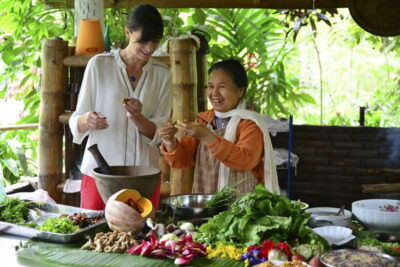
Luang Prabang: Cooking Class at the Former Royal Palace
Read our review →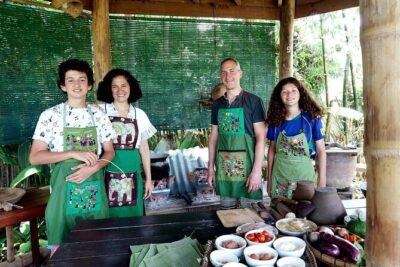
Day-time Bamboo weaving & Cooking Classes join-in
Read our review →
Evening Bamboo weaving & Cooking classes join-in
Read our review →
Traditional Market Tour and Private Laotian Cooking Class with a Local
Read our review →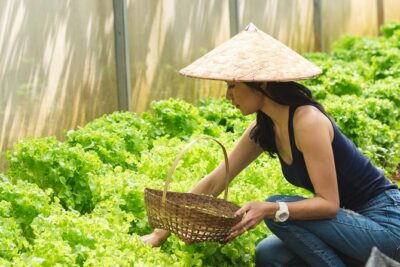

Full Day bamboo experience with cooking class & Kuang si waterfalls
Read our review →Browse the lists this tour appears in