
Reviewed · LUANG PRABANG TOURS
3 Days The Plain of Jars and Xieng Khouan (Depart from Luang Prabang)
Mystery waits beyond the mountains. This three-day private trip from Luang Prabang takes you overland to Phonsavan and Xieng Khouang, where you can see the ancient Plain of Jars, Hmong villages, rural markets, war-era sites, and a working silk farm. I especially like the chance to pair the famous jars with the lesser-known Buddha Cave and Mulberries silk center. I also like that your group travels alone in an air-conditioned vehicle, with room for a guide to shape the pace.
The main drawback is the road distance. Luang Prabang to Phonsavan covers about 260 kilometers, and the first day includes several hours on the road. At $540 per person, the price can be good for a private three-day trip with sightseeing fees and transport included, but you still need to budget separately for hotels and meals.
In This Review
- Key details before you book
- Why the Plain of Jars makes a strong three-day trip
- Day 1: From Luang Prabang to Phou Khoun and Nong Tang
- Day 2: Ancient stone jars and the scars of war
- Muang Khoun and Wat Phiawat
- MAG UXO Centre: the history you should not skip
- Day 3: Morning markets and the Mulberries silk farm
- What the $540 price covers
- The private vehicle and guide make a difference
- Who should book this experience?
- Should you book the Plain of Jars tour?
- FAQ
- How long is the tour?
- Where does the tour start?
- What time does the tour start?
- Is the tour private?
- Is hotel pickup available?
- What is included in the price?
- Are accommodation and meals included?
- Will the tour visit the Plain of Jars?
- Can I cancel for a full refund?
Key details before you book
- The first day is a long mountain road trip: You leave Luang Prabang early and stop at hill-tribe villages, Phou Khoun, and the Buddha Cave before reaching Phonsavan.
- The Plain of Jars gets a full day: You visit jar sites, Ban Na Pia, the ancient capital of Muang Khoun, and the MAG UXO Visitor Information Centre.
- War history is part of the experience: Bomb remnants, shelters, and UXO education give the region a serious historical dimension.
- The tour is private: Only your group participates, which is useful for photographs, questions, and adjusting the rhythm of the day.
- Local craft is built into the route: The final morning includes a market and Mulberries Organic Silk Farm, where you can watch silk production.
- The package is transport-focused: An air-conditioned vehicle, sightseeing, fees, and taxes are included, but accommodation and meals are not.
Why the Plain of Jars makes a strong three-day trip
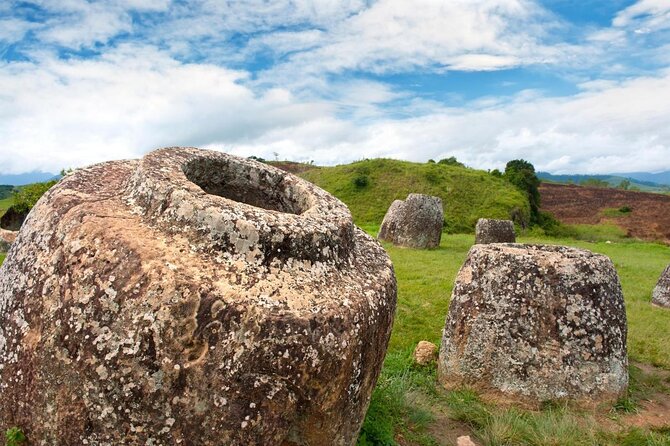
The Plain of Jars is not a quick roadside attraction. It is a wide area of stone vessels scattered across elevated ground near Phonsavan, with several separate sites and a past that is still not fully explained. That uncertainty gives the visit its pull, but the setting alone is not the whole story.
You also see how Xieng Khouang has been shaped by conflict. The region carries visible reminders of the Second Indochina War, including bomb remnants and former shelters. The result is a trip that moves between archaeology, village life, traditional craft, and modern efforts to make the area safer.
I think the three-day format works best for people who want more than a day trip photograph of a jar. You have time to reach Phonsavan without flying, spend a full day on the main sights, and add a final morning focused on local life and silk weaving.
Still, you should be realistic about the schedule. This is an active road journey, not a relaxed resort break. The first day begins early, and the itinerary is packed with stops. If you want long meals, slow village visits, or free afternoons, this plan may feel tight.
More Plain of Jars tours:
- Plain of jars tour with local guide
★ 4.5 · 8 reviews - Plain of jars share group tour
★ 5.0 · 4 reviews - Plain of jars private tour
★ 5.0 · 3 reviews
Day 1: From Luang Prabang to Phou Khoun and Nong Tang
The trip begins at the Manifa Travel office on Sakkaline Road in Vat Sene Village, opposite Villa Santi Hotel. The listed meeting time is 8:00 am, while the day-by-day description says the vehicle leaves at 7:30 am. Confirm the exact departure time before setting your morning plans.
The route heads toward Phonsavan, about 260 kilometers away. That distance matters. Roads through northern Laos can make a journey feel much longer than the number suggests, and this day is mainly about the route and its stops rather than a quick transfer.
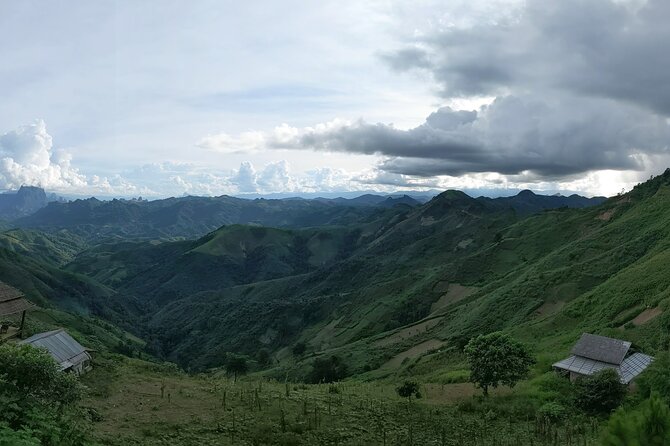
At Phou Khoun, you stop for about an hour and see Hmong and other hill-tribe villages along the road. The appeal here is the chance to observe rural life in the setting where it happens, rather than meeting communities only at a staged cultural show. The information provided describes the villagers as friendly and welcoming, but you should still follow your guide’s advice about photographs and respectful behavior.
This is also the point where a private tour can help. Your guide can explain what you are seeing, answer questions, and manage the timing. Guides named in the company’s feedback include Vone, Tin, and Mr. Latte. Vone is praised for keeping a demanding program on track while sharing useful details about Lao culture. Tin is described as attentive, gentle, and strong in English. Those qualities matter on a long day when clear communication makes the journey easier.
The next notable stop is Tham Phra, also called Buddha Cave, near Nong Tang. You spend about an hour here viewing Buddha images more than 200 years old. The cave has also served as a hospital and shelter during the Indochina War, giving the stop a second layer beyond its religious importance.
That combination is one of the best features of the route. You are not simply moving from one scenic stop to another. The cave connects faith, local history, and wartime survival in one place. It also provides a useful change of pace after hours on the road.
The itinerary does not provide a detailed arrival time in Phonsavan, and the accommodation is not included. You should arrange your own hotel unless you request accommodation through the operator. Meals are also separate, so ask how stops will work on the road and plan your spending accordingly.
Day 2: Ancient stone jars and the scars of war
Day two is the heart of the tour. After breakfast, you spend the day visiting the Plain of Jars and sites around Xieng Khouang. The schedule includes two separate jar-site visits, Ban Na Pia, Muang Khoun, and the MAG UXO Visitor Information Centre.
The jars themselves are the main attraction, but they are best understood as part of an archaeological puzzle. Their exact purpose has been debated, and the sites carry a sense of age and uncertainty. Your guide adds real value here by explaining the local legends and the accepted historical context instead of leaving you with a few unexplained stone containers.
The itinerary names a first Plain of Jars stop and then Jar Site 2, also called Hai Hin Hoo Sarat, about 20 kilometers southwest of the city. Seeing more than one site is important because the jars are spread across different areas. A single stop gives you an introduction. Two sites give you a better sense of the scale and variety of the area.
The site visits are each planned for about an hour. That is enough time for a focused walk and photographs, but it is not an invitation to wander without a clock. Wear practical footwear and pay attention to marked routes and your guide’s instructions. The region contains unexploded ordnance, so staying within approved areas is essential.
Ban Na Pia, near Site 2, adds a direct link between the war and present-day village work. Villagers reuse scrap metal from unexploded bombs to make spoons and other souvenirs. This is a striking example of local resourcefulness, but it is also a reminder that the war is not only a subject in a museum. Its remains still affect daily life and household income.
I would treat this stop as a chance to buy a meaningful craft item rather than simply another souvenir. The objects connect you to the place, and your purchase supports a village economy built around turning dangerous remnants into useful goods. The description specifically mentions spoons, so you should not expect a large shopping center or a broad range of products.
Muang Khoun and Wat Phiawat
In the afternoon, the route continues to the ancient capital of Muang Khoun. This was the royal center of the Phuan Kingdom and later a French colonial provincial city. The stop gives the Plain of Jars day a wider historical frame, shifting attention from prehistoric stone vessels to the political and religious past of the region.
Wat Phiawat is part of this visit. The temple area reflects the importance of Muang Khoun before conflict and political change altered the town. The itinerary allows about an hour, so your guide’s explanation will help you make sense of what remains.
This is a good place to slow down mentally, even if the schedule does not allow a long stay. The ancient capital helps you understand that Xieng Khouang is not defined by one mystery. It has been a center of royal power, a colonial administrative area, a war zone, and a home for communities rebuilding their future.
More tours and river days worth a look
- Luang Prabang: Nong Khiaw 3-Day Trekking & camping, Homstay
★ 5.0 · 9 reviews - Luang Prabang: 3-Day Cultural Remote Trek With Homestay
★ 4.9 · 9 reviews
MAG UXO Centre: the history you should not skip
You return to Phonsavan at about 4:00 pm for a visit to the MAG UXO Visitor Information Centre and the official tourist information center. MAG refers to Mines Advisory Group, an organization involved in clearing unexploded ordnance and educating communities about the danger.
This stop is one of the most important parts of the trip. The Plain of Jars can look peaceful, but the area’s calm appearance hides serious hazards left by the war. A visit to the information center helps connect the museum material, bomb scrap at Ban Na Pia, and the safety rules around the jar sites.
I would not treat this as an optional filler stop. It provides the context that makes the whole day more honest. You see ancient remains, but you also see the cost of twentieth-century warfare and the continuing work required to protect local residents.
The schedule says about one hour here. That is a useful amount of time for an introduction, though anyone seeking a long museum visit should ask the guide how much time is available on the day.
Day 3: Morning markets and the Mulberries silk farm
The last morning begins after breakfast with a short visit to the morning market. This is a modest but worthwhile way to see everyday commerce in Phonsavan. The information provided does not promise a large market or a particular list of foods, so think of it as a brief look at local routines rather than a guided food tour.
The next stop is Mulberries Organic Silk Farm, a fair-trade center where you can observe the process from cocoons to colorful scarves. This is one of the most practical cultural stops on the route because you see the work behind the finished product.
Silk weaving is easy to admire from a shop shelf. Watching the process gives you a better sense of the time and skill involved. You can see why the final scarf costs more than a mass-produced textile, and you have a clearer idea of what you are buying if you choose to purchase something.
The visit is planned for about an hour. It is also a welcome contrast to the previous day’s archaeology and war history. After stone jars and UXO education, the silk center brings the focus back to creative work and household livelihoods.
The provided program says you then leave, but it does not specify the final drop-off point. The meeting information notes that the activity ends in a different location, so confirm the end point before booking onward transport.
What the $540 price covers
The listed price is $540 per person. That is a serious amount for three days in Laos, so the value depends on how much you want a private, organized trip rather than an independent overland journey.
The price includes:
- All sightseeing described in the program
- An air-conditioned vehicle
- All fees and taxes
It does not include accommodation or meals. This is the key budget point. Add your hotel costs, breakfasts if they are not included at your accommodation, lunches, dinners, drinks, and any personal purchases at the silk farm or Ban Na Pia.
The private format improves the value for couples, families, or small groups who want flexibility. You are not sharing the vehicle with strangers, and the guide can focus on your group. Group discounts are offered, so the per-person cost may make more sense when several people book together.
The price is less attractive if you only want the main jar sites. In that case, an independent arrangement may cost less, though it may not give you the same combination of village visits, Buddha Cave, Muang Khoun, UXO education, and silk production.
The private vehicle and guide make a difference
An air-conditioned vehicle is a practical inclusion on a long road route. The journey from Luang Prabang to Phonsavan is not a short transfer, and a comfortable vehicle can make the first day much easier.
The guide is just as important as the vehicle. Vone is praised for handling an action-packed and sometimes challenging program while remaining kind and informative. Tin is praised for excellent English, careful attention, and a willingness to go the extra mile. Mr. Latte is singled out for friendly service on other Manifa Travel excursions around Luang Prabang.
Those comments do not guarantee which guide you will receive. They do show the kind of service the company aims to provide. When you book, ask whether you can learn the guide’s name and whether the start time is 7:30 or 8:00 am.
Who should book this experience?
I would recommend this trip if you want to:
- See the Plain of Jars without arranging several separate transfers
- Learn about Hmong villages and rural life
- Put the jars into archaeological and wartime context
- Visit both cultural sites and working craft centers
- Travel privately with your own group
- Spend three days exploring beyond Luang Prabang
It suits curious, active visitors who do not mind long road days. It also works well for people who value explanation and local context as much as photographs.
I would hesitate if you dislike long drives, need a slow schedule, or have not yet arranged accommodation in Phonsavan. The tour does not include meals, and the final drop-off details are not fully stated, so practical planning matters.
You can cancel for a full refund at least six full days before the local start time. Cancellation two to six full days ahead receives a 50 percent refund. Less than two full days before departure is nonrefundable, and late changes are not accepted.
Should you book the Plain of Jars tour?
Book it if the Plain of Jars is a priority and you want the wider story, not just a quick visit to the stones. The combination of Phou Khoun villages, Tham Phra, two jar areas, Ban Na Pia, Muang Khoun, the MAG center, and Mulberries silk farm gives the trip real range.
Before paying, confirm the departure time, accommodation arrangement, meals, and final drop-off point. If those details fit your plans, the $540 price can be fair for a private three-day route with transport, sightseeing, and a guide. If you prefer a cheaper, slower, self-arranged trip, this organized schedule may be more than you need.
FAQ
How long is the tour?
The experience lasts approximately three days.
Where does the tour start?
It starts at the Manifa Travel Luang Prabang office on Sakkaline Road in Vat Sene Village, opposite Villa Santi Hotel.
What time does the tour start?
The meeting information gives an 8:00 am start time. The first-day description says the group leaves at 7:30 am, so confirm the exact time with the operator.
Is the tour private?
Yes. Only your group participates in the activity.
Is hotel pickup available?
Pickup is offered, but the stated meeting point is the Manifa Travel office in Luang Prabang. Confirm pickup arrangements when booking.
What is included in the price?
The price includes the listed sightseeing, an air-conditioned vehicle, all fees, and taxes.
Are accommodation and meals included?
No. Accommodation and meals are not included. Accommodation may be available upon request.
Will the tour visit the Plain of Jars?
Yes. Day two includes visits to the Plain of Jars, including Jar Site 2, also called Hai Hin Hoo Sarat.
Can I cancel for a full refund?
Yes, if you cancel at least six full days before the experience start time. Cancellation two to six full days ahead receives a 50 percent refund, while cancellation less than two full days ahead is not refunded.
Just added around Luang Prabang
- Private Luang Prabang City Tour★ 5.0 · 3 reviews
- A Relaxing Day at the Kuang Si Falls★ 4.5 · 3 reviews
- Luang Prabang Night-time Explorer★ 3.5 · 3 reviews
- Luangprabang: Dinner with Lao Traditional Dance Performance★ 4.0 · 3 reviews
- Sunset Cruise in Luang Prabang with Live Performance★ 4.5 · 3 reviews
- Luang Prabang Private Full-Day Tour and Lunch★ 4.7 · 3 reviews
- Luang Prabang: Local Village & Kuang Si Falls Private Tour★ 4.9 · 3 reviews
- Luang Prabang: Mekong River Cooking Class with Hotel Pickup★ 5.0 · 3 reviews
Luang Prabang Tours, compared.
Luang Prabang: Cruise to Pak Ou Caves & Kuang Si Waterfalls
Read our review →
Half Day Mekong Cruise to Pak Ou Caves (Morning / Afternoon)
Read our review →
Luang Prabang: UNESCO World Heritage City Highlights Tour
Read our review →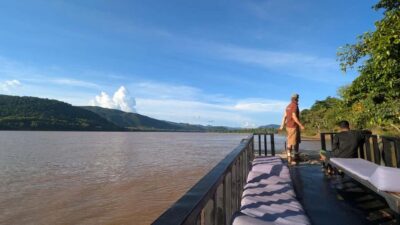
Luang Prabang: Afternoon Kuang Si Waterfalls & Sunset Cruise
Read our review →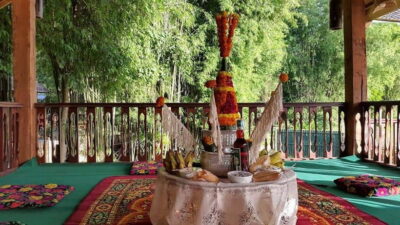
Luang Prabang: Evening Cooking Class & Local Baci Ceremony
Read our review →
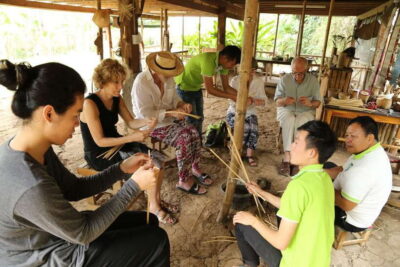
Luang Prabang: Bamboo Weaving Workshop & Cooking Class
Read our review →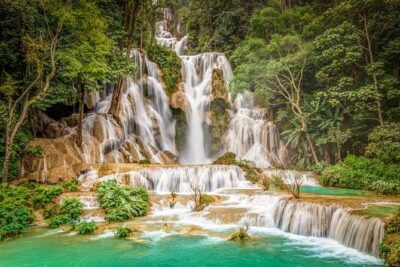
Browse the lists this tour appears in