
Reviewed · LUANG PRABANG TOURS
Living Land Rice Farming Experience
Rice farming is harder than it looks. Just outside Luang Prabang, the Living Land Rice Farming Experience turns a half-day outing into hands-on work in a real community farm. I like the chance to learn all 14 stages of rice production, and I like that proceeds help more than 60 local students and fund free English classes. The main drawback is simple: you may spend time in mud, under the morning sun, and the lunch option costs extra.
This is not a tour for sitting back and taking photographs from a path. You may plant rice, work behind a water buffalo, harvest grain, and handle the steps that bring rice from field to table. Guides such as Johnny, Kham, Geo, and Sai have been praised for making the work clear and fun, though transport arrangements can be less tidy when extra waterfall trips are added.
In This Review
- Key things to know before you go
- Why this farm experience is worth your morning
- Arriving from Luang Prabang at 8:00
- Getting muddy in the rice field
- From rice plant to kitchen table
- Bamboo, sugar cane, and blacksmithing
- The setting beside Luang Prabang’s mountains
- What the $64.17 price really buys
- Who will enjoy it most
- Practical advice for a smoother morning
- Should you book the Living Land Rice Farming Experience?
- FAQ
- Where is the Living Land Rice Farming Experience?
- How long does the experience last?
- What time does the activity start?
- Is lunch included?
- Will I work in the mud?
- What other farm activities are included?
- How many people can join?
- Can the experience be canceled because of weather?
Key things to know before you go
- You work through 14 stages of rice production, from planting and transplanting to harvesting and cooking.
- A water buffalo helps prepare the field, giving you a close look at traditional farming methods.
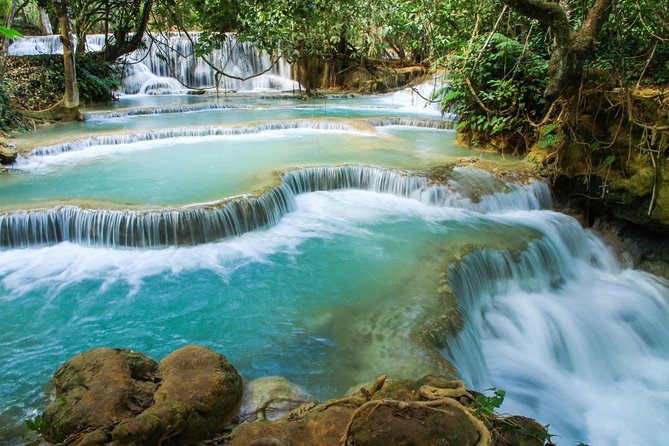
- The farm sits beside rice fields and mountains, a peaceful setting a short drive from central Luang Prabang.
- Hands-on side activities include bamboo weaving, sugar cane pressing, and blacksmithing.
- Your money supports village education, including studies for more than 60 students and free English classes.
- Expect mud and check the lunch option carefully, since lunch is included only with selected bookings.
Why this farm experience is worth your morning
Luang Prabang has temples, monks, river views, and fine old streets. Those are essential parts of the town, but they do not always show you how ordinary families work and eat. At Living Land Farm, rice becomes the subject, the material, and the meal.
I like the directness of the activity. You do not just hear that rice takes patience and effort. You handle the work yourself. One moment you may be preparing a muddy plot, and later you are learning how harvested rice is processed and cooked.
That change in viewpoint matters. Rice is served at nearly every Laotian meal, yet many visitors never think about the labor behind one bowl. This outing makes that labor visible without turning the lesson into a classroom lecture.
The social purpose adds value. Proceeds support local students with their studies, and the farm offers free English classes for the village. You are still buying a paid activity, but the money has a clear local use rather than stopping entirely with a tour company.
More tours and river days worth a look
- Luang Prabang: Farm Tour and Buffalo Buffet Adventure
★ 4.7 · 11 reviews - Luang Prabang: Organic Farm Experience & Hike to Kuang si
★ 4.4 · 4 reviews - Luang Prabang: Bamboo Forest Cooking-class & Farm Visit
★ 5.0 · 3 reviews
Arriving from Luang Prabang at 8:00
The stated start time is 8:00 a.m., with the main farm program beginning around 8:30 and lasting about three hours and 20 minutes. Pickup is offered, which helps if you are staying in central Luang Prabang and do not want to arrange your own ride.
The farm is just outside town, in a rural setting with rice fields and mountains around it. That short trip changes the mood quickly. The old town gives way to open farmland, and the farm setting makes the lesson feel connected to daily life rather than built only for sightseeing.
The maximum group size is 20 people. That is large enough to create a social morning but small enough for practical instruction to work reasonably well. If you want close guidance during planting or field work, arriving ready to listen and take your turn will make a difference.
Transport deserves a little caution. The farm program itself has received strong praise, but add-on arrangements can become confusing. If you combine the farm with a waterfall or cave excursion, confirm the order of stops and the return plan before leaving town. One poor arrangement sent people back toward the hotel before taking them out to the falls, costing roughly two hours.
Getting muddy in the rice field
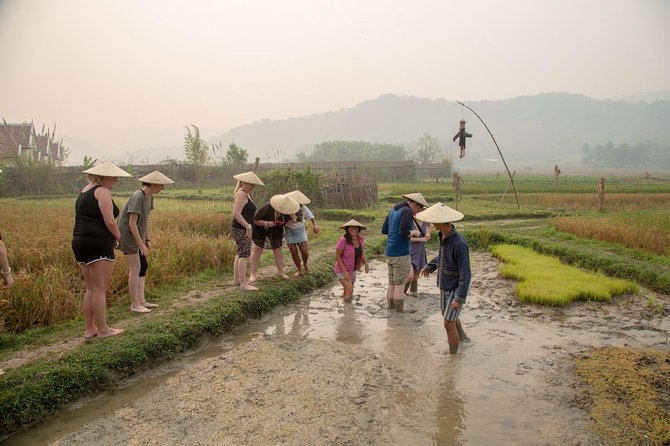
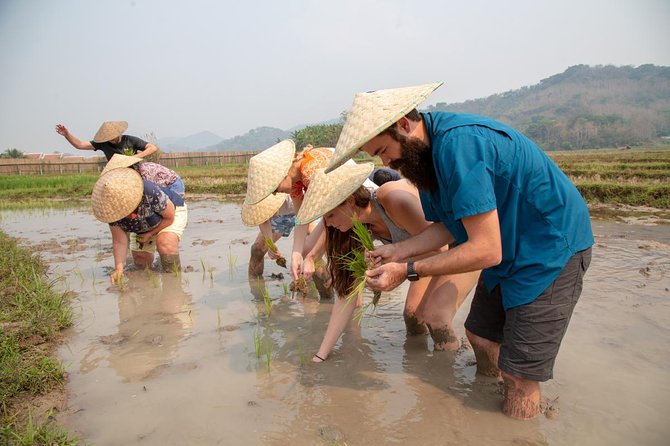
The central activity is the rice field itself. You take off your shoes and work in the mud, so shorts and clothes that can get dirty are the sensible choice. Do not wear anything precious, and do not expect to remain clean for photographs.
The program covers the full cycle in a condensed, hands-on form. You may learn how a field is prepared, how rice seeds are planted, and how young plants are transplanted. You may also help harvest rice and handle the work that follows, including preparation for cooking and eating.
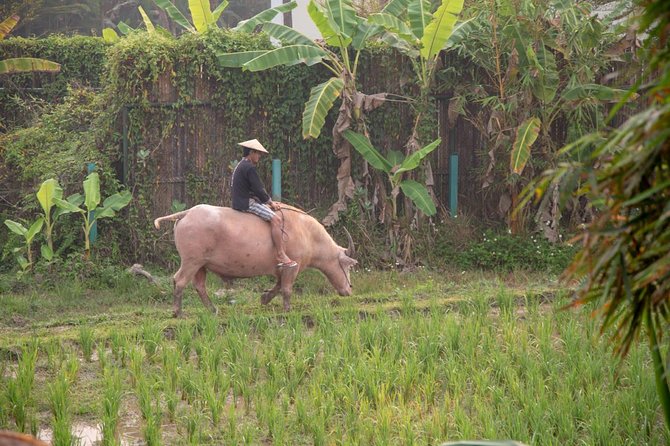
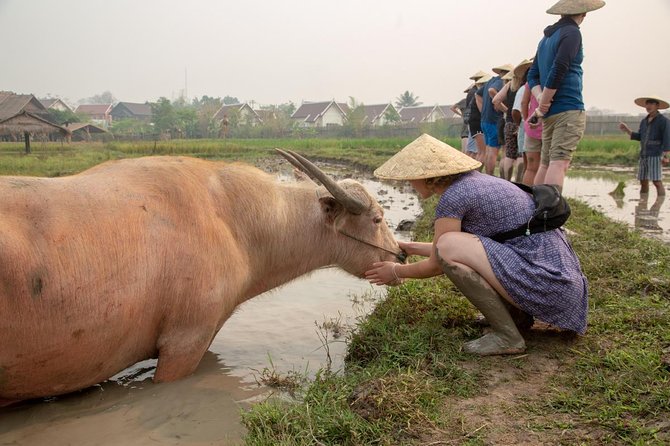
A water buffalo is part of the lesson. You may see the animal help till or prepare the field, then take part in the work behind it. This is one of the most memorable details because it shows a traditional method in action, not just a picture of one.
The work can be surprisingly physical. You may be knee-deep in mud at times, and bending, pulling, and walking through a wet field can tire you out. That is part of the point, but it also means the experience may not suit anyone looking for a gentle morning with no exertion.
The pace is helped by the guides. Johnny has been praised for explaining rice farming through family stories, while Kham has been singled out for being friendly, clear, and good at teaching. Geo and Sai have also been praised for making the activity informative and enjoyable. Names and staffing can change, but the important feature is the personal connection to farming and family land.
From rice plant to kitchen table
The most useful part of the outing is the way it connects field work with food. Planting is only one step. The rice must grow, be harvested, prepared, and cooked before it reaches the table.
You may see or take part in several stages of that process. The exact mix can depend on the season and field conditions, but the program is designed to show the route from seed to finished food. This helps explain why rice farming is a long cycle rather than one quick task.
At the end of the farm activity, you receive rice-based snacks. These offer a small taste of what the crop becomes after all that work. Some people leave after the snack portion, while others stay for the full meal.
The lunch is worth serious consideration. When included in your chosen option, it consists of typical Luang Prabang dishes and fruit served at the farm. Several people have praised the food, and skipping it means missing the final link between the muddy field and the meal.
Check the booking details carefully before you pay. The general description presents lunch as part of the post-farming program, but the included features specify that lunch comes only with the option that includes it. The price of $64.17 per person therefore needs to be judged against the exact package you select.
A different idea for your next Laos day:
- Luang Prabang: Cruise to Pak Ou Caves & Kuang Si Waterfalls
★ 5.0 · 1,769 reviews - Luang Prabang: Cruise to Pak Ou Caves & Kuang Si Waterfalls
★ 4.8 · 1,360 reviews - Half Day Mekong Cruise to Pak Ou Caves (Morning / Afternoon)
★ 4.6 · 290 reviews - Luang Prabang: UNESCO World Heritage City Highlights Tour
★ 4.6 · 201 reviews
Bamboo, sugar cane, and blacksmithing
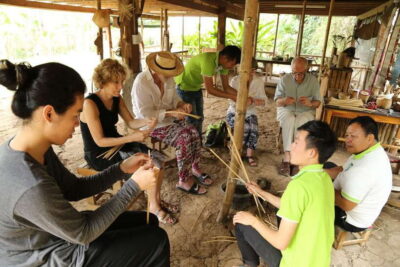
Rice is the main event, but the farm also introduces other rural skills. Bamboo weaving shows how a common local material becomes useful household or farm equipment. You may not leave as a skilled weaver, but the activity gives you a practical sense of how much work sits behind ordinary objects.
Sugar cane pressing adds another short lesson. The process is simple to watch but useful for understanding how local ingredients are handled before they become food or drink. It breaks up the field work and gives you something different to try with your hands.
Blacksmithing is also included among the possible farm activities. This broadens the morning beyond rice and shows that village life depends on many separate skills. Together, these stations make the farm feel like a working community place rather than a single-purpose demonstration field.
The experience is strongest when you take part instead of standing back. You will get more from it if you accept that your hands may become dirty and your results may be imperfect. This is practical learning, not a polished craft performance.
The setting beside Luang Prabang’s mountains
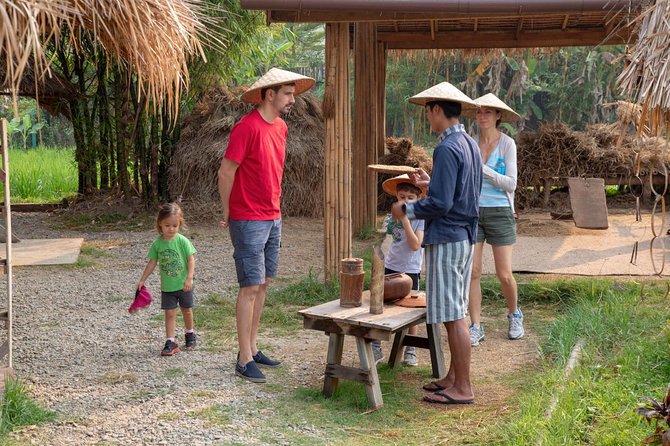
The farm’s location is a major part of its appeal. Rice fields stretch around the property, with mountains beyond them. The setting is quiet and open, and it gives you a break from the compact streets and busy sightseeing schedule of central Luang Prabang.
Bring your camera, but do not make photography your only goal. The best moments may happen when you are focused on planting, following the buffalo, or watching a guide demonstrate a task. The scenery works as a calm background to the activity rather than as the entire attraction.
Morning timing is sensible. The program starts early and finishes before the day becomes too long, leaving room for more of Luang Prabang afterward. The exact farm portion is about three hours and 20 minutes, while the full booking is described as roughly five hours, especially when pickup and meal time are counted.
Optional excursions to waterfalls and caves can extend the day. These may suit you if you want to combine rural life with nearby sights, but treat them as a separate planning decision. The farm program has a clear focus. Adding stops can create transport delays or unclear handoffs if the schedule is not confirmed.
What the $64.17 price really buys
At $64.17 per person, this is not the cheapest way to spend a morning in Luang Prabang. The value comes from the combination of instruction, participation, food when selected, transport help, and community support.
A normal sightseeing tour may show you rice fields from a road. This one lets you step into a field and understand the work. You also receive access to several activities and a meal option based on local dishes, rather than paying only for a short demonstration.
Still, compare rates before booking. A complaint about the price claimed that an intermediary charged much more than the farm’s direct rate. That does not establish the current price difference, but it is a useful warning. Check the farm’s own booking channel if available, then compare what each price includes, especially lunch, pickup, and add-on excursions.
Group discounts are offered, which may improve the value for families or friends. The maximum group size is 20, and confirmation is sent within 48 hours subject to availability. The experience also uses a mobile ticket, so you should not need to carry a printed voucher.
Who will enjoy it most
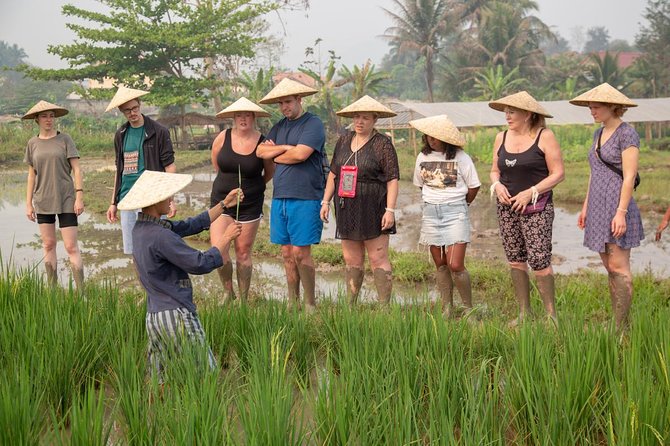
I would choose this for anyone who wants a cultural activity with real participation. It suits couples, families, and small groups who are happy to work together and laugh at their muddy clothes.
It is also a good choice for curious eaters. The meal and rice snacks make more sense after you have seen the planting and harvesting process. Food becomes part of the lesson instead of a separate restaurant stop.
Families should find plenty to hold a child’s attention, especially the water buffalo, field work, and sugar cane pressing. The farm supports students, which also gives parents a useful way to connect the activity with education and community life.
You may want to skip it if you dislike mud, physical work, or outdoor conditions. The activity is not described as requiring special fitness, and most people can participate, but comfort in a rice field is different from comfort on a paved walking tour.
Practical advice for a smoother morning
Wear shorts or other clothes that can get dirty. The field work may put you in mud up to your knees, and taking your shoes off is part of the activity.
Confirm whether your booking includes lunch. Do not assume the standard price covers it. If you want the full food experience, select the meal option clearly.
Ask about the day’s transport plan if you add a waterfall or cave visit. Confirm that you will go directly from the farm when that is your intention. This simple check can prevent a long, unnecessary return to town.
Keep the morning open rather than scheduling a tight appointment immediately afterward. The farm portion is about three hours and 20 minutes, and the overall activity takes about five hours. Extra stops may lengthen it.
Finally, arrive ready to participate. The people who get the most from the morning are the ones willing to plant, pull, press, weave, and get dirty. You do not need farming experience. You do need curiosity and a willingness to try.
Should you book the Living Land Rice Farming Experience?
Yes, if you want to understand Luang Prabang through work, food, and village life rather than temples alone. The rice lessons are unusually hands-on, the mountain setting is pleasant, and the proceeds support local education in a direct way.
I would book the farm portion with lunch if your schedule allows, then confirm the pickup and price against the direct farm rate. Add a waterfall or cave only after you have a clear transport plan.
For a clean, effortless sightseeing morning, choose something else. For a practical, muddy, memorable lesson in how rice reaches the table, this is one of the better cultural activities near Luang Prabang.
FAQ
Where is the Living Land Rice Farming Experience?
It takes place at the Living Land Farm just outside Luang Prabang, beside rice fields and mountains.
How long does the experience last?
The full experience is approximately five hours. The main farm program lasts about three hours and 20 minutes.
What time does the activity start?
The stated meeting time is 8:00 a.m., and the half-day farm program begins around 8:30 a.m.
Is lunch included?
Lunch is included only when you select the option that includes lunch. That meal features typical Luang Prabang dishes and fruit.
Will I work in the mud?
Yes. The activity includes working in a rice field, and you may be knee-deep in mud at times. Taking off your shoes is part of the experience.
What other farm activities are included?
Along with rice farming, the program can include bamboo weaving, sugar cane pressing, and blacksmithing.
How many people can join?
The maximum group size is 20 people.
Can the experience be canceled because of weather?
Yes. If poor weather causes cancellation, you will be offered another date or a full refund. A cancellation caused by too few participants also offers a different date or experience, or a full refund. Otherwise, the experience is non-refundable and cannot be changed.
Just added around Luang Prabang
- Luang Prabang Night-time Explorer★ 3.5 · 3 reviews
- A Relaxing Day at the Kuang Si Falls★ 4.5 · 3 reviews
- Private Luang Prabang City Tour★ 5.0 · 3 reviews
- Luangprabang: Dinner with Lao Traditional Dance Performance★ 4.0 · 3 reviews
- Sunset Cruise in Luang Prabang with Live Performance★ 4.5 · 3 reviews
- Luang Prabang Private Full-Day Tour and Lunch★ 4.7 · 3 reviews
- Luang Prabang: Local Village & Kuang Si Falls Private Tour★ 4.9 · 3 reviews
- Luang Prabang: Mekong River Cooking Class with Hotel Pickup★ 5.0 · 3 reviews
Luang Prabang Tours, compared.
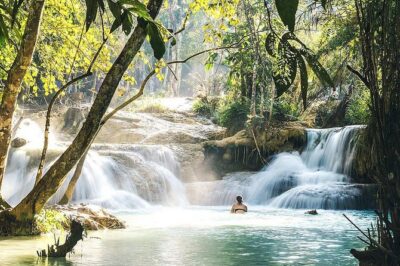
Luang Prabang: Cruise to Pak Ou Caves & Kuang Si Waterfalls
Read our review →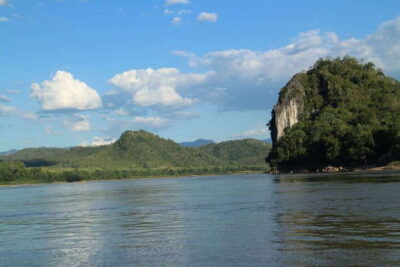
Half Day Mekong Cruise to Pak Ou Caves (Morning / Afternoon)
Read our review →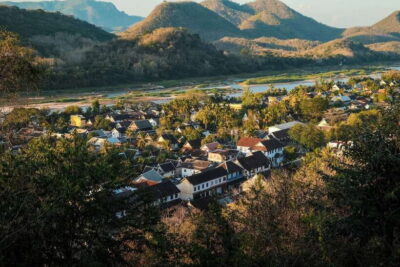
Luang Prabang: UNESCO World Heritage City Highlights Tour
Read our review →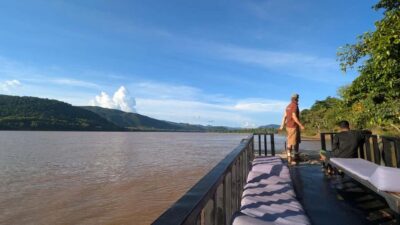
Luang Prabang: Afternoon Kuang Si Waterfalls & Sunset Cruise
Read our review →
Luang Prabang: Evening Cooking Class & Local Baci Ceremony
Read our review →
Luang Prabang: Bamboo Weaving Workshop & Cooking Class
Read our review →
Browse the lists this tour appears in